The best self-help books for girls depend on age and what a reader wants to work on. Happy Confident Me: Daily Journal is a good fit for children practicing gratitude and a growth mindset, while I Would, But My Damn Mind Won’t Let Me! is aimed at teens exploring thoughts and feelings. The picks below also include a mindfulness journal, a puberty guide for ages 8–12, and a picture book about making mistakes.
| Book | Best For | Format |
|---|---|---|
| Happy Confident Me: Daily Journal | Gratitude and growth mindset practice | Paperback journal |
| Hey Girl! Empowering Journal for Girls | Mindfulness and positive affirmations | Paperback journal |
| I Would, But My Damn Mind Won’t Let Me! | Teens exploring thoughts and feelings | Paperback guide |
| Growing Up AWESOME! For Girls 8–12 | Puberty and personal care information | Paperback guide |
| The Girl Who Never Made Mistakes | Growth mindset and self-esteem for kids | Hardcover story |
Happy Confident Me: Daily Journal

This paperback journal focuses on gratitude and a growth mindset. Its stated aims include supporting happiness, self-esteem, positive thinking, mindfulness, and resilience. It is best for a child who likes to write or reflect regularly and would benefit from a structured journal rather than only a read-through story.
Why it was selected: It brings several commonly sought self-help themes together in one child-focused daily journal. Choose it if the reader is ready to participate in writing and reflection. A journal depends on the child’s willingness to use it; it may be a less suitable choice for someone who prefers stories or activities that do not require regular writing.
Hey Girl! Empowering Journal For Girls

Hey Girl! is a paperback journal centered on gratitude, mindfulness, and positive affirmations. It is best for a girl who wants an encouraging, journal-based way to pause and reflect. The focus on affirmations makes it a distinct option from a broader journal covering happiness, self-esteem, and resilience.
Why it was selected: Its girl-focused title and clear emphasis on mindfulness and gratitude make it relevant for buyers seeking positive daily reflection. Choose this if affirmations are a priority. Like other journals, it works best when the reader is interested in writing or completing reflection prompts; it is not described as a general guide to every challenge girls may face.
I Would, But My Damn Mind Won’t Let Me!

This paperback is presented as a teen’s guide to controlling thoughts and feelings. It is best for teenage readers looking for a self-help book that addresses emotional and thought-related challenges. Its teen focus distinguishes it from the journals and illustrated books aimed at younger children.
Why it was selected: The title directly addresses thoughts and feelings, a different need from gratitude practice or puberty information. Choose this if the reader wants a guide rather than a daily journal. The title’s casual, emphatic wording may not suit every family’s preferences, so consider whether that tone feels appropriate before choosing it.
Growing Up AWESOME! For Girls 8–12

This illustrated paperback guide is for girls ages 8–12. Its subject areas include puberty, a first period, body self-care, and staying healthy, confident, and happy. It is best for a preteen who wants information about growing up, or for a caregiver seeking a book to support age-appropriate conversations.
Why it was selected: It covers practical growing-up topics that the other books on this list do not. Choose it when puberty and personal care are the main priorities. Its specified age range is 8–12, so it may not be the right match for readers outside that range or for someone seeking a general confidence journal.
The Girl Who Never Made Mistakes
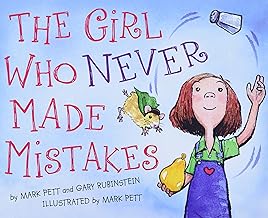
This hardcover book is described as a growth mindset story for kids that promotes self-esteem. It is best for younger readers who may respond more readily to a story than to a workbook-style journal. The subject of mistakes makes it relevant for children learning to approach imperfection with a healthier perspective.
Why it was selected: It offers a story-based alternative to direct self-help instruction. Choose it if the reader enjoys books with a character and a growth mindset theme. Because it is a children’s story, it may be less appropriate for teens seeking detailed guidance about emotions, puberty, or specific personal concerns.
Buying Guide: How To Choose A Self-Help Book For A Girl
Which age group is the book for?
Start with the reader’s age and comfort level. Growing Up AWESOME! identifies girls ages 8–12 as its audience, while I Would, But My Damn Mind Won’t Let Me! is specifically presented as a teen guide. The other books are described for children or girls, but the provided product details do not specify a precise age range. Check the book’s listing for additional age guidance if that matters to your decision.
Would a journal or a story work better?
A journal asks the reader to take an active role through writing or reflection. The two journals here focus on gratitude, mindfulness, growth mindset, or affirmations. A story may be an easier starting point for a child who prefers reading about a character. For more direct information, consider a guide focused on teens’ thoughts and feelings or preteens’ growing-up topics.
What topic should you prioritize?
Match the book to the reader’s immediate interest. Choose a gratitude or affirmation journal for regular reflection, a growth mindset story for a child thinking about mistakes, a teen guide for thoughts and feelings, or the age-specific illustrated guide for puberty and personal care. A narrowly focused book may be more useful than a broader title when the reader has a clear question.
How can caregivers support the choice?
Invite the girl to help choose the format and subject. A book is more likely to be useful when its tone and activities feel comfortable to her. Caregivers can also read or discuss a book together when the reader wants support, while allowing her to decide what she is ready to share.
Frequently Asked Questions
What is a good self-help book for a girl who likes journaling?
Happy Confident Me: Daily Journal focuses on gratitude and a growth mindset, while Hey Girl! emphasizes gratitude, mindfulness, and positive affirmations. The best fit depends on which themes the reader wants to explore.
Which pick is specifically for girls ages 8–12?
Growing Up AWESOME! For Girls 8–12 is identified for that age group and covers puberty, first periods, body self-care, and health.
Is there a story-based option about making mistakes?
Yes. The Girl Who Never Made Mistakes is a children’s growth mindset book focused on self-esteem and mistakes.
Which book is aimed at teenagers?
I Would, But My Damn Mind Won’t Let Me! is presented as a teen’s guide to thoughts and feelings.
Should I choose a journal or a guide?
Choose a journal if the reader is willing to write and reflect. Choose a guide or story if she prefers reading information or following a character’s experience.