If you’re looking to boost writing output and sustain focus, these tools align with common writer needs: overcoming blocks, managing time, and keeping ideas flowing. This guide highlights five carefully chosen products that suit different writer profiles—from creative storytellers to deadline-driven bloggers and students. Each option offers practical features and clear benefits, along with a helpful caveat to inform your choice.
Summary of selected products:
| Product | Best For | Key Benefit | Limitation |
|---|---|---|---|
| Insplore 12-Sided Creative Writing Dice | Fiction writers, poets, screenwriters | Endless prompts and exercises to spark creativity | Requires willingness to play with prompts |
| Intelligent Change 3‑Month Productivity Planner | Busy professionals, students, planners | Structured daily and monthly planning with mindfulness | Undated format; needs consistent use |
| Intelligent Change 3‑Month Tear‑Out To‑Do List Planner | Task-focused writers and researchers | Easy-to-remove pages for quick task review | Limited to one quarterly section per new copy |
| Sensi Blue Desk Sign | Remote workers, students, office environments | Clear, lighthearted signal to reduce interruptions | Humor may not suit all workplaces |
| — | — | — | — |
Insplore 12-Sided Creative Writing Dice
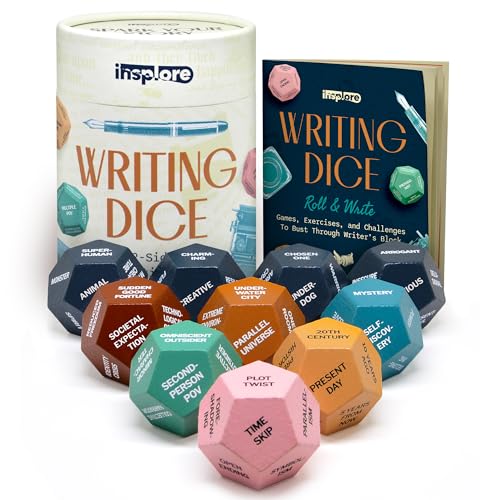
Best For: Fiction writers, poets, and screenwriters who want fresh prompts on demand. Why selected: The 12-sided design increases the variety of prompts, including Character Dimensions, Conflict, and Setting, helping users generate novel combinations and reduce writer’s block. The accompanying 48-page booklet adds structured exercises and games for discipline-building. Caution: This tool works best when used as a creative aid rather than a sole planning method.
Intelligent Change 3-Month Productivity Planner

Best For: Writers and students who want a stylish, undated format to prevent procrastination. Why selected: It provides daily and monthly sheets to maintain a steady workflow, with dedicated spaces for tasks, goals, and habit tracking. Mindfulness quotes support reflective practice, which can improve consistency. Caution: An undated planner requires discipline to begin new cycles without built-in reminders.
Intelligent Change 3-Month Tear-Out To-Do List Planner
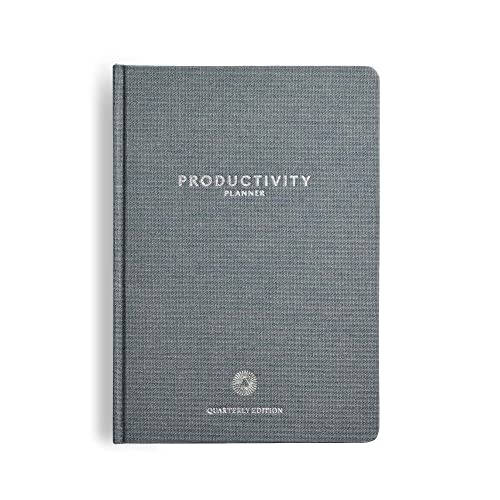
Best For: Writers who prefer quick, tangible task management with easy extraction. Why selected: This planner’s tear-out pages simplify weekly reviews and task reorganization, supporting a habit of intentional planning. Caution: It is best used alongside a broader writing schedule to prevent overloading one section with tasks only.
Funny Fox Desk Sign – Do Not Approach Easily Distracted

Best For: Writers and remote workers who need polite, humorous reminders to minimize interruptions. Why selected: The sign clearly communicates a focus message, which can help protect deep-work sessions in busy environments. Caution: Humor appeal varies by setting; consider office culture before use.
Buying Guide: Key Considerations For Writers
- Purpose and workflow alignment: Match tools to your typical writing session—creative bursts, research-heavy days, or deadline-driven sprints.
- Format and portability: Undated planners offer flexibility, while tear-out sheets support quick task reviews on the go.
- Prompts vs. planning: Dice and prompts boost creativity; planners provide structure. A balanced combo often yields best results.
- Mindfulness and motivation: If staying present matters, choose tools that include reflection prompts or quotes.
- Distraction management: Visual signals like desk signs can reduce interruptions, but ensure they fit your work setting.
Frequently Asked Questions
- What is the main benefit of writing prompts like dice for a writer?
They provide varied prompts to spark ideas, helping overcome blocks and generate new scenes or angles. - How can a productivity planner improve writing output?
It structures daily tasks, tracks progress, and reinforces consistent writing habits through scheduled time blocks. - Should I use a planner with mindfulness prompts?
Yes, if maintaining focus and reducing burnout are priorities, mindfulness notes can support sustainable routines. - Are desk signs effective for long-term focus?
They can reduce interruptions in busy environments, but effectiveness depends on workplace culture and personal discipline. - What’s the right mix of tool types for a writer?
A mix of prompts for creativity plus planners for time management often yields the strongest results.