Answering the search for kid-friendly prayer journals, this guide highlights five top options that help children focus daily on prayer, Bible verses, and gratitude. Each pick is best for different ages, attention spans, and faith goals. The list below includes compact portable journals, doodle-filled devotion books, and structured prayer notebooks that suit family devotion time, Sunday school activities, or independent reading. A quick reference table follows to compare key traits at a glance.
| Product | Best For | Format | Notes |
|---|---|---|---|
| Mr. Pen – Prayer for my Child | Young children and beginners | Compact journal with daily sections | 80 sheets, portable |
| The Devotional Doodle Journal for Kids | Creative kids who enjoy art | Doodle activities with devotions | 90 activities, kid-friendly prompts |
| PLKMN Bible Notebook Journal | Older kids or teens who like writing | Spiral notebook style | Lined pages, spacious layout |
| Daily Prayer & Gratitude Journal for Kids (6–13) | Systematic daily practice | Dateless 6-month format with prompts | Hardcover with ribbon divider |
| Additional note | All-in-one options | Variety | Consider budget and preferred format |
Mr. Pen Prayer For My Child – Compact Daily Journal
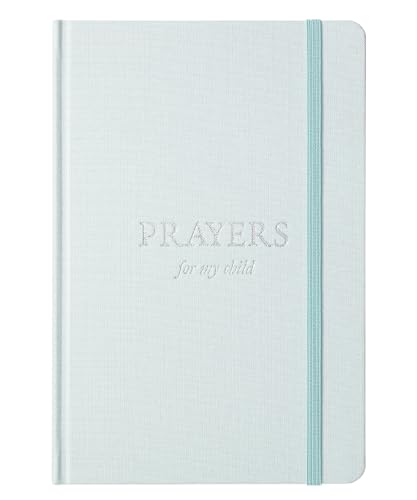
The Mr. Pen Prayer for My Child journal is designed for daily prayer and reflection in a compact format. Its 8.4″ x 5.7″ footprint makes it ideal for recess pockets, backpacks, or bedside tables. Each page provides sections for the Date, Verse of the Day, Prayer, and How the Lord Provided, helping children learn to journal consistently. This pick is best for younger readers or kids who benefit from a structured page layout that keeps thoughts organized while encouraging spiritual growth. A potential limitation is the reliance on a single daily structure, which may feel repetitive to older kids who crave more variety.
The Devotional Doodle Journal For Kids

The Devotional Doodle Journal for Kids blends faith with creativity, offering 90 art-focused activities paired with short devotions. This format is best for younger children who learn through drawing, color, and imaginative prompts. It supports a relaxed, exploratory approach to daily devotion, making it a great entry point for families who want to weave prayer with art. A consideration: doodle-heavy pages may be less suitable for kids preferring traditional writing if they want a more text-based journal.
PLKMN Bible Notebook Journal – Kids And Teens
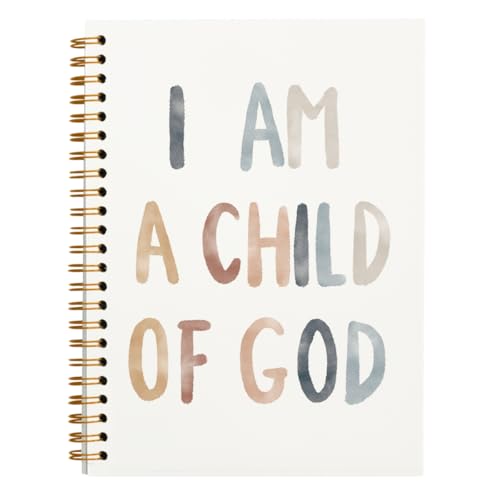
The PLKMN Bible Notebook Journal is designed as a versatile writing tool for kids and teens who enjoy organizing thoughts neatly. With a 5.5″ x 8.3″ size and 80 pages of college-ruled inner pages, it supports structured journaling, notes, and spiritual reflections. This choice is best for middle-grade readers or teens who want a stylish, functional notebook that can serve as both a prayer journal and a study aid. A limitation to consider is that it emphasizes general note-taking, so readers seeking explicit devotional prompts may prefer a guided option.
Daily Prayer & Gratitude Journal For Kids (Ages 6–13)

This six-month, dateless journal combines daily prayer prompts with gratitude reflections. Its design includes devotional pages, Bible reflection questions, and space for notes, making it suitable for children ages 6 to 13. The inclusion of a ribbon divider helps organize weeks or topics and supports a steady routine. Best for families wanting a longer commitment without fixed start dates or for classrooms implementing a 6-month devotional plan. A potential drawback is its dateless design requiring self-legislation of dates, which may be challenging for very young children.
Buying Guide: How To Choose A Child-Friendly Prayer Journal
What format best fits your child’s interests? Journals range from guided prompts to doodle-based activities. Consider whether your child prefers handwriting, creative drawing, or a mix of both. For younger children, guided prompts with simple sections can help establish a routine; for older kids, a notebook or diary-style journal offers room to expand thoughts.
- Age and reading level: Choose age-appropriate language and prompts. Younger children benefit from visual cues and short prompts; older kids may want more space to write and reflect.
- Structure vs. flexibility: Guided journals with daily prompts are great for consistency. Open-format notebooks support personal growth and longer entries.
- Portability: Compact sizes fit into backpacks or bedside tables, promoting daily practice anywhere.
- Durability and cover: A sturdy cover (hardcover or PU leather) helps withstand daily use by kids.
- Aesthetics and engagement: Colorful pages, illustrations, and friendly typography increase engagement for younger readers.
- Format compatibility: Spiral-bound notebooks often lie flat for easy writing, while bound journals can be more durable for travel.
How to Start a Kid’s Prayer Routine
- Set a regular time each day, such as after school or before bed, to build consistency.
- Keep the journal accessible on a bedside table or backpack so it’s easy to use.
- Encourage sharing verses or prayers aloud to build confidence and spiritual language.
- Incorporate a brief gratitude moment to foster a positive perspective.
FAQ
- What age is best for a prayer journal? Ages 6 and up are common, but formats vary to suit younger children or teens depending on prompts and layout.
- Should I choose a guided journal or a blank notebook? Guided journals help establish a routine; blank notebooks offer flexibility for longer entries and creativity.
- Can these journals be used in group settings? Yes, they can support family devotion time or Sunday school activities, with shared prompts and discussion points.
- Do these journals include Bible verses? Some options incorporate verses or devotional prompts; others focus on personal prayer structure and gratitude.
- What if my child loses interest? Try rotating formats (e.g., moving from doodle to writing, or choosing a journal with different themes) to renew engagement.
- Are there refill options or additional prompts? Some journals offer extended prompts or replacement pages; check product descriptions for details.