Whether you’re new to reading music or aiming to sharpen fluency at the piano, the right sight-reading book can accelerate progress. This guide highlights five well-structured options ideal for beginners, late elementary players, and teens or adults seeking steady daily practice. Each pick targets consistent, accessible drills, with practical notes on who benefits most and any caveats to consider before you buy.
| Product | Level | Pages | Best For |
|---|---|---|---|
| Piano Adventures: Sightreading Book – Level 1 | Level 1 | 96 | Beginners building basic fluency and rhythm |
| Progressive Sight Reading Exercises: Piano Technique | All levels (progressive) | 96 | Daily practice for steady improvement |
| Piano Adventures: Sightreading Book – Level 2B | Level 2B | 96 | Early intermediate reader seeking fluency |
| Piano Adventures: Sightreading Book – Primer Level | Primer | 96 | Early elementary learners |
| Piano Sightreading Book 1: Late Elementary | Late Elementary (3A-3B) | 96 | Developing artists moving beyond beginners |
Piano Adventures: Sightreading Book Level 1

This sight-reading book focuses on foundational reading skills through short, practical exercises. The level 1 materials are designed for beginners to establish accurate note-reading and rhythm recognition. Best for students who are just starting to connect note names with keys and aim to build consistent daily practice habits.
Who it’s best for: absolute beginners and younger students who need approachable, incremental challenges. Reasons for selection: structured progression and alignment with the broader Faber Piano Adventures method. Limitation: content remains introductory and may feel repetitive for some early readers seeking more musical variety.
Progressive Sight Reading Exercises: Piano Technique
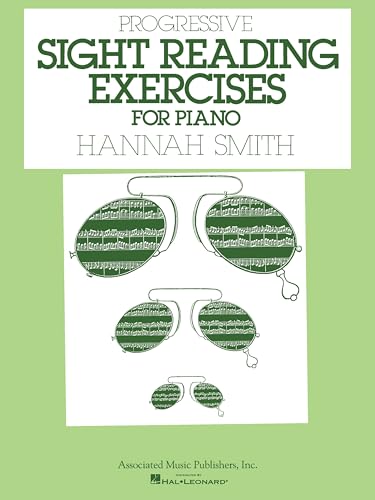
This guidebook combines technique-focused practice with sight-reading drills, designed to gradually raise accuracy and pace. It’s suitable for ongoing daily practice and for students who want a clear, progressive path that complements formal method books. Best for players working on consistent reading tempo and hand coordination over time.
Who it’s best for: teens and adults or advanced beginners who want a structured, progressive approach. Reason for selection: emphasis on both technique and sight-reading in one volume. Caution: some readers may prefer a more varied repertoire beyond standard exercises.
Piano Adventures: Sightreading Book Level 2B

This level 2B book advances sight-reading with slightly more complex rhythms and melodies, while keeping the approachable progression that characterizes the Piano Adventures series. Best for students moving beyond the beginner stage who want to reinforce fluency and accuracy in reading music at a steady pace.
Who it’s best for: late beginners and early intermediate players. Why chosen: complementary to Level 1, enabling seamless sequence learning. Limitation: may require supplemental repertoire to diversify musical interests.
Piano Adventures: Sightreading Book – Primer Level

The Primer Level book targets early elementary readers with short, accessible reading pieces designed to build confidence. Best for very young players or those who are new to the keyboard. Reason for selection: aligns with the beginner-friendly Primer stage of the Faber repertoire, aiding gradual skill development.
Caution: level of difficulty increases quickly; ensure a gradual transition to Level 1 materials for most learners.
John Kember: Piano Sight-Reading Volume 1

This book presents a fresh approach to sight-reading from beginner to intermediate levels. It emphasizes daily practice and self-guided pacing, making it a practical option for independent learners. Best for players seeking a self-directed path to improve reading speed and accuracy.
Who it’s best for: self-motivated learners who prefer a structured, progressive route. Caution: as a standalone method, it may pair well with additional repertoire to ensure breadth of musical styles.
Accelerated Piano Adventures for the Older Beginner: Sightreading

This edition targets teens and adults who are newer to piano reading, offering brisk progress along with essential theory practice. Best for older learners who want to accelerate sight-reading while building practical musical understanding. Reason for selection: efficient for mature beginners who prefer a compact, practice-oriented approach.
Limitation: content emphasizes reading speed, which may overwhelm absolute beginners without supportive early-level materials.
Piano Sightreading Book 1: Late Elementary

This late-elementary book builds on earlier sight-reading work with slightly more complex patterns and longer phrases. Best for developing artists who want to strengthen reading accuracy while expanding musical vocabulary. Reason for selection: bridges the gap between early comfort with notes and more fluent musical reading. Limitation: may require additional rhythm practice for some learners.
Buying Guide
Key considerations when choosing a piano sight-reading practice book include the learner’s current level, desired pace, and the preferred teaching method alignment. If you’re starting fresh, choose a primer or Level 1 book that integrates well with a broader pedagogy you already use. For ongoing development, pair a beginner-friendly book with a progressive or technique-focused guide to balance reading speed and musical understanding.
- Level and progression: Ensure the book’s level matches current ability and offers clear steps to advance without skipping essential fundamentals.
- Practice structure: Prefer volumes that provide predictable, short exercises to fit into daily routines. Consistency matters more than occasional long sessions.
- Musical variety: Look for a mix of rhythms, keys, and styles to avoid monotony and broaden reading experience.
- Teacher vs. self-guided use: Some books align with structured lessons; others are designed for independent study. Pick accordingly.
- Supplemental repertoire: Consider whether you’ll need additional pieces or method books to diversify practice.
FAQ
- What level should a beginner start with for piano sight-reading books?
Begin with Primer or Level 1 materials that introduce notes and rhythms in a manageable sequence.
- How often should I practice sight-reading?
Daily short sessions (10–20 minutes) are typically effective for steady progress.
- Is it better to use one method consistently or mix methods?
Consistency with a core method helps solidify fundamentals; adding complementary books can broaden skills.
- Can teens and adults use children’s sight-reading books?
Yes, if the material matches their current reading level and learning pace.
- What should I look for in a good sight-reading book?
Gradual progression, clear instructions, and a balance of rhythm, pitch, and tempo challenges.
- Are there risks of relying solely on sight-reading books?
Yes—without integrating repertoire and technique, progress in musical expression can lag.