Instantly compare practical guides and theory fundamentals to help you shape your musical ideas. This guide highlights four top books and notebooks that cover jazz harmony, classical theory, and manuscript preparation. It’s tailored for students, educators, and composers seeking structured learning paths or reliable reference materials. The selections emphasize clear explanations, actionable exercises, and content suitable for both self-study and classroom use.
| Product | Best For |
|---|---|
| Jazz Composition – Theory and Practice | Aspiring jazz composers and arrangers needing practical techniques with audio examples |
| QivaZira Blank Sheet Music Notebook | Songwriters and arrangers who need portable manuscript paper for notation on the go |
| Paul Hindemith: The Craft of Musical Composition Book 1 | Students and professionals seeking foundational classical theory and analysis |
| Paul Hindemith: The Craft of Musical Composition Book 2 | Composers exploring melody construction, tonality, and two-voice settings |
Jazz Composition – Theory And Practice
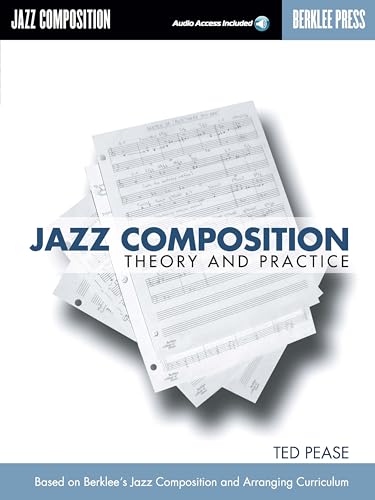
Brand: Berklee Press Publications | Pages: 256 | Instrumentation: All Instruments
Features: Book/Online Audio
Best for: This book is best for aspiring jazz composers and arrangers who want practical songwriting techniques and guided exercises, supported by online audio to hear how passages should sound. The material helps learners translate theory into playable phrases and ensemble writing.
Why selected: It combines theoretical concepts with actionable composition practice, aligning with real-world jazz writing needs. The online audio helps validate rhythm, harmony, and voicing choices beyond text alone.
Caution: Accessing the online audio may require an internet connection or additional steps per publisher instructions. As a theory-and-practice hybrid, readers seeking only theoretical chapters may find the audio component optional.
QivaZira Blank Sheet Music Notebook
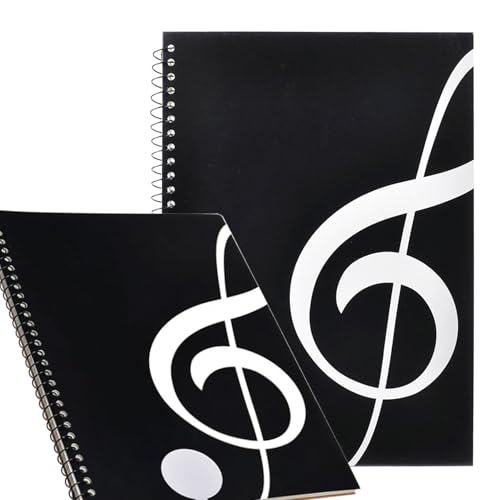
Brand: QivaZira | Pages: 100 | Instrumentation: All Instruments
Features: Ample Space for Composition, Portable and Travel Friendly, Quality Staff Paper Construction
Best for: Songwriters and musicians who need a portable notebook for quick ideas, melodic sketches, or manuscript work on the go. It’s also suitable for students practicing manuscript notation during travel or in classes.
Why selected: The notebook’s generous staff paper and thickness help prevent bleed-through, enabling clean, legible notation in a compact format. It is ideal for quick drafting before formal scores.
Caution: It is a manuscript notebook rather than a theory guide; users seeking structured theory explanations should supplement with another resource.
Paul Hindemith: The Craft Of Musical Composition Book 1

Brand: Schott | Pages: 238
Best for: Students and professional musicians seeking a solid theoretical foundation in classical composition, including formal approaches and analysis within Hindemith’s framework.
Why selected: This book presents a structured theoretical pathway and analytical perspectives useful for building rigorous compositional craft, especially for those oriented toward traditional theory and counterpoint concepts.
Caution: Theoretical language and examples may reflect mid-20th-century pedagogy; readers seeking contemporary popular music theory approaches may want additional modern resources.
Paul Hindemith: The Craft Of Musical Composition Book 2

Brand: Schott | Pages: 160
Best for: Composers and theorists who want to continue from Book 1 into deeper topics such as melody construction, tonality, and two-voice settings.
Why selected: Book 2 expands on practical composition techniques and theoretical concepts, making it a strong follow-up for students pursuing a comprehensive study of Hindemith’s approach.
Caution: It is a compact volume; readers may need to reference Book 1 or companion materials for broader context and examples.
Buying Guide
What should I look for in music theory and composition books?
- Scope and level: Choose a resource that matches your current knowledge and goals—jazz-focused practice vs. classical theory, or a balanced approach.
- Format: Text with exercises, audio accompaniments, or manuscript space. Consider whether you prefer theoretical explanations, practical examples, or hands-on composition practice.
- Author credibility: Look for recognized educators or publishers with a track record in teaching music theory and composition.
- Supplemental materials: Audio tracks, online access, or companion workbooks can enhance learning and application.
How to match the right book to your goals?
- Jazz emphasis: If you aim to write jazz tunes or arrangements, prioritize books that integrate harmony, rhythm, and improvisational concepts with real audio samples.
- Classical foundations: For rigorous theory, counterpoint, and formal analysis, select books by established classical theory authors and keep a sketchbook for practice.
- Portable notation: For quick idea capture, a blank staff notebook is valuable for rough drafts and on-the-go notation before formal scoring.
What about practice and application?
- Active writing: Pair theory readings with regular composition exercises to internalize concepts.
- Listening as study: Use audio components to compare your progress with example performances or analyses.
- Progress tracking: Maintain a simple notebook of goals, weekly topics, and completed exercises to measure growth.
Who should use these resources?
- Students: A structured path through theory and practical composition techniques.
- Educators: A mix of theory references and classroom-ready activities.
- Self-tunding learners: Clear explanations, actionable steps, and portable options for study anywhere.
FAQ
- What is the best starting point for beginners in music theory?
A solid start is a book that combines simple theory with practical exercises and audio examples to hear concepts in context. - Do these books cover both notation and composition?
Some emphasize notation (notebook for sheet music) and others emphasize theory plus composition techniques; use both types for a well-rounded approach. - Are there audio resources included?
Yes, at least the jazz-focused title provides online audio to illustrate concepts and performances. - Is Hindemith’s method still relevant for modern composition?
Hindemith offers rigorous classical theory foundations that remain valuable for understanding form, melody, and tonal relationships, though modern genres may supplement with contemporary methods. - Should I buy multiple books at once?
If your goal is a broad education, combining a theory-focused book with a practical composition guide and a notebook for notation offers a balanced plan.