Answering the needs of parents and caregivers, these language-focused books support early vocabulary, sentence construction, and foundational reading skills for preschoolers. The top picks here are suited for children ages 3–6 and are chosen for clear explanations, engaging visuals, and practical activities. Whether you want a story-based approach or structured learning, these titles help kids practice speaking, listening, and early literacy in fun, age-appropriate ways. The buyer-friendly table below highlights each option’s focus and best-use scenario.
| Product | Best For | Why It Stands Out |
|---|---|---|
| Curious George’s First Day of School | Young readers starting school | Familiar character, simple language, supportive school introduction. |
| Kids Vocabulary Builder Flipbook (Ages 3–6) – 53 Weekly Words | Structured vocabulary growth | Weekly focus with definitions, sentences, and illustrations. |
| Children’s Learn to Read Books Lot 60 | Early readers transitioning to independent reading | Multi-level readers designed to build confidence and fluency. |
| The Complete Book of Starter Spanish Workbook | Foundational bilingual language exposure | Comprehensive Spanish basics with activities for daily use. |
Curious George’s First Day Of School

This title is best for preschoolers who enjoy gentle, story-driven language learning. The text uses approachable sentences that model everyday conversation and classroom routines, helping children anticipate what comes next in a school day. It’s suitable for kids who benefit from narrative context to grasp new vocabulary and sentence structures.
Who it’s best for: parents seeking a comforting, relatable preschool read-aloud that introduces school-related vocabulary through a beloved character. Why selected: familiar framing reduces anxiety about starting school and reinforces basic language patterns.
Limitations: does not include structured vocabulary worksheets; best used alongside explicit practice activities if you want a complete language-building routine.
Kids Vocabulary Builder Flipbook (Ages 3–6) – 53 Weekly Words

The strongest option for organized vocabulary growth. Each week centers on a single word with a clear definition, example sentence, and illustration. This structure supports real-world usage rather than rote memorization, making it ideal for families focusing on practical language skills and speech clarity.
Who it’s best for: children ages 3–6, including those needing extra speech support or structured vocabulary practice. Why selected: a compact daily or weekly routine builds recognition and expressive language without overwhelm.
Limitation: not a narrative read; relies on explicit word-focused activities rather than story-based engagement.
Children’s Learn to Read Books Lot 60
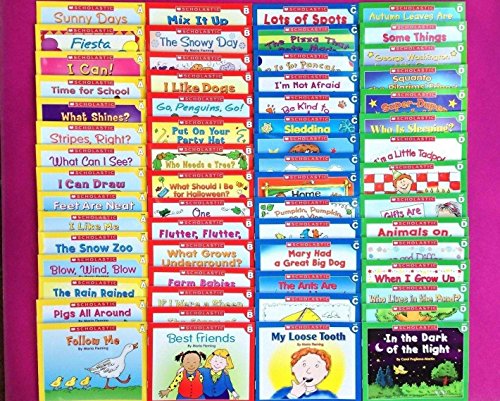
Best for emerging readers building independent reading stamina. The set includes 60 stapled booklets across levels A–D, with black-and-white design to emphasize print, which helps children focus on letter shapes and word recognition before color distractions.
Who it’s best for: families seeking a broad progression of simple readers to accompany phonics and decoding practice. Why chosen: the multi-level format supports gradual skill development and confidence in early reading.
Limitation: black-and-white visuals might be less engaging for some children who benefit from high-contrast color illustrations.
The Complete Book of Starter Spanish Workbook

This workbook focuses on foundational Spanish exposure through age-appropriate activities. It’s best for families seeking bilingual language development or early second-language introductions for preschoolers and kindergartners.
Who it’s best for: caregivers aiming to integrate basic Spanish vocabulary, colors, numbers, and shapes into daily routines. Why selected: a structured, subject-specific approach supports consistent practice across core topics.
Limitation: designed as a workbook; supplemental listening or speaking activities may enhance retention and pronunciation practice.
Buying Guide: Key Considerations For Language Books For Preschoolers
- Age appropriateness: Choose titles designed for ages 3–6 to align with typical preschool and pre-K developmental milestones.
- Learning approach: Decide between narrative-driven readers, vocabulary-centered tools, or bilingual workbooks based on your child’s needs and interests.
- Structure and pacing: Structured weekly vocabulary (as with the flipbook) can support consistent practice; storybooks offer context and retention through storytelling.
- Visuals and engagement: Colorful illustrations and relatable characters can improve attention and language use; some children prefer print-focused pages with clear text.
- Progression: Multi-level readers or a staged vocabulary program help build confidence and measurable growth over time.
- Practical use: Consider how the book fits into daily routines—reading aloud, independent practice, or quick language drills.
Frequently Asked Questions
- What type of language book should I start with for a shy preschooler? Start with story-based or picture-heavy books that model simple sentences and everyday conversations to reduce anxiety and build comfort with language.
- Are bilingual workbooks suitable for preschoolers? Yes, if the child shows interest in another language. Short, daily activities introduce pronunciation and basic vocabulary in a low-pressure way.
- How often should my child use these books? Short, frequent sessions (5–15 minutes, several days a week) work well for vocabulary-building tools, while read-alouds can be daily for narrative development.
- Should I mix multiple formats? A mix of a storybook for context and a structured vocabulary tool can provide both comprehension and productive language practice.
- What signs indicate progress? Increased correct usage of new words in speech, improved sentence length, and greater willingness to participate in conversations are good indicators.
- Can these books substitute for formal language therapy? They can support development but are not a replacement for professional assessment or therapy when needed.