Searchers seeking practical, classroom-ready forensic science resources for a high school audience will find solid options here. This article highlights five relevant products designed to build investigative skills, interpret evidence, and connect science concepts to real-world cases. Each entry notes who it’s best for, why it stands out, and a key limitation to consider. The focus is on materials that align with high school curricula, emphasize critical thinking, and support both classroom and homeschool settings.
Buyer quick view: The following table summarizes the five products selected for high school forensic study. It highlights the target learner, core focus, and ideal use case to help you compare at a glance.
| Product | Best For | Key Focus |
|---|---|---|
| Mark Twain Forensic Investigations Workbook | Middle to high school learners transitioning to forensic labs | Evidence interpretation, handwriting, fingerprints, body language |
| Carson Dellosa The 100 Series: Biology Workbook | Higher-grade science students needing biology foundations | Biology vocabulary, standards alignment |
| ALDON Forensic Case Study: Murder at Eagle Nest Harbor | Group labs, hands-on casework | Multiple forensic disciplines, teamwork |
| Innovating Science Forensics Using Simulated Blood | Lab-based crime-scene simulations | Blood testing, evidence analysis |
| Forensics Themed T-Shirt | Supplementary classroom culture and engagement | Lighthearted dissemination of forensics themes |
Mark Twain Forensic Investigations Workbook

The Mark Twain Investigations Workbook offers immersive, inquiry-focused activities that resemble real crime-solving processes. It targets students building deductive-reasoning skills through hands-on labs like handwriting analysis and fingerprinting. The workbook’s scenarios often allow multiple plausible outcomes, encouraging flexibility in interpretation and collaborative discussion. Best for classrooms or homeschool settings where students can compare interpretations of evidence and justify conclusions. A potential limitation is its emphasis on interpretive activities, which may require additional scaffolding for learners seeking singular, model answers.
Carson Dellosa The 100 Series: Biology Workbook
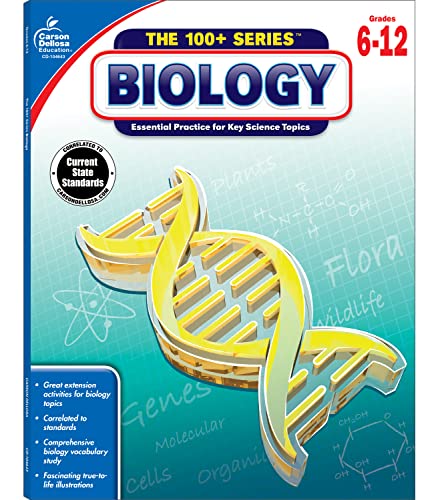
This biology-focused workbook provides strong foundations for high school science. It’s well-suited for students who need clear standards alignment and comprehensive vocabulary study as a supplement to forensic practice. Best for learners who want to anchor forensic investigations in reliable biology concepts like cells, genetics, and matter. It’s a good companion to more hands-on labs, though it is not a dedicated forensic kit and should be paired with inquiry activities for forensic context.
ALDON Forensic Case Study: Murder at Eagle Nest Harbor

This case-study kit presents a classroom-lab activity simulating a forensic investigation. Students will analyze diverse evidence—fingerprints, hair, blood, fiber, and handwriting—to identify the most likely suspect. It’s ideal for group work and structured inquiry, with clear steps guiding investigators through evidence collection and interpretation. A limitation is that outcomes depend on the quality and interpretation of the evidence provided; teachers may need to supplement with additional prompts to drive deeper analysis.
Forensic Scientist Coroner Forensics Science T‑Shirt

This apparel item serves as a light, approachable way to connect classroom topics with real-world forensics careers. Best for classrooms seeking engagement and a sense of identity around forensic work, or for students who enjoy themed apparel during lab days. It is not a substitute for hands-on practice and should be used as a supplementary, morale-boosting element rather than a primary learning tool.
Innovating Science Forensics Using Simulated Blood

This kit enables students to conduct forensics using simulated blood, focusing on presumptive blood tests and blood-type identification for comparison. It’s best for labs where students practice standard forensic techniques in a controlled environment. Choose this if you want hands-on practice with blood-typing concepts; avoid if your program requires actual human blood materials due to safety constraints or policy restrictions.
Standards-Based Investigations: Science Labs Grades K-2

This resource targets a much younger audience, but it’s included to reflect foundational investigation practices that precede high school. While not a forensic high school guide, it can help educators structure inquiry-based activities for younger students and model detection workflows. Best for teachers designing a progressive sequence into forensic topics or for homeschooling families building a robust science curriculum from the ground up. Note that content is not tailored to high school-level forensic analysis.
Buying Guide: Key Considerations for Forensic Education Materials
- Curriculum alignment: Look for standards correlations (e.g., NGSS or state standards) and clear learning objectives that map to high school science needs.
- Hands-on vs. theory balance: Prioritize kits and workbooks that combine lab activities with evidence interpretation to mirror real investigations.
- Group work suitability: Forensic case studies often require collaboration; check whether materials support structured group roles and reporting formats.
- Safety and materials: Confirm that simulated materials or manuscript activities comply with school safety policies and available lab spaces.
- Adaptability: Consider resources that scale for different class sizes, from small seminars to larger cohorts, and that allow teacher prompts for deeper inquiry.
- Supplementary resources: Some titles pair well with biology or chemistry curricula, reinforcing core concepts alongside forensic methods.
FAQ — Forensic Education in High School
- What makes a good forensic education resource for high school? A resource that combines evidence interpretation with hands-on lab activities, aligns to standards, and provides clear guidance for teachers on facilitating investigations.
- Are simulated materials appropriate for forensic labs? Yes, when safety policies restrict handling of real samples; simulations should resemble authentic crime-scene decision-making processes.
- How important is teamwork in forensic education? Very important; many forensic tasks rely on collaborative analysis, role assignment, and clear communication of conclusions.
- Should I mix biology and forensics resources? Mixing can strengthen understanding, as core biology concepts underpin many forensic techniques like DNA analysis and cell biology.
- What age range is best for these resources? Most titles target middle to high school learners, with higher emphasis on high school-level inquiry and project-based work.
- How can I assess student progress in these activities? Use rubrics that assess evidence collection, data interpretation, reasoning, and the ability to justify conclusions based on observed data.