Finding the right first reads for kindergarteners means prioritizing simple language, clear pictures, and phonics support. The top picks below are beginner-friendly and designed for early learners building confidence with reading. Each option targets different needs—from phonics-focused box sets to guided readers that reinforce basic sight words. This guide helps parents and teachers choose the best fit for different reading levels and goals.
| Product | Best For | Ideal Age | Format |
|---|---|---|---|
| Bob Books – Set 1: Beginning Readers Box Set | Sound-out phonics and starters | 4–6 | Boxed set |
| Pete the Cat 12-Book Phonics Fun! | Short vowels and long vowels practice | 3–6 | Box of mini-Books |
| Teach Your Child to Read in 100 Easy Lessons | Structured, gradual reading lessons | 4–7 | Book set |
| School Zone Start to Read! Book Level 1 | Rhyming and vocabulary development | 4–6 | Picture-based reader |
Bob Books Set 1: Beginning Readers

Best for new readers who need gentle phonics progression. This Scholastic set includes properly packaged books with easy-to-read text, making it suitable for initial reading practice. The sequence helps children connect phonemic sounds to simple words and sentences, supporting independent or guided reading sessions.
Who it’s best for: Parents and teachers seeking a structured, gradual approach to decoding and word recognition. Choose this if the goal is to build confidence with foundational phonics through repeatable, low-pressure texts.
Caution: Some readers may outgrow the basic level quickly and may need more varied sentence structures as skills advance.
Pete the Cat 12-Book Phonics Fun
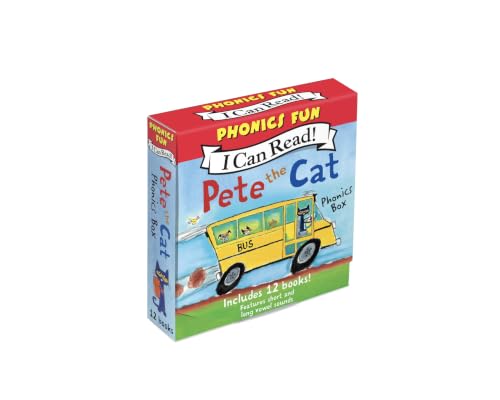
Best for beginners who need a mix of short and long vowel practice in small, digestible reads. This box of 12 mini-books provides plenty of repetition with a fun, familiar character, helping kids associate phonics patterns with recognizable words and simple sentences.
Who it’s best for: Early readers who enjoy character-driven stories and need varied but accessible phonics practice. Better for students who respond well to repetition and light humor in text.
Caution: It’s compact in format, so some learners may prefer larger print or more illustrative pages for sustained focus.
Teach Your Child to Read in 100 Easy Lessons
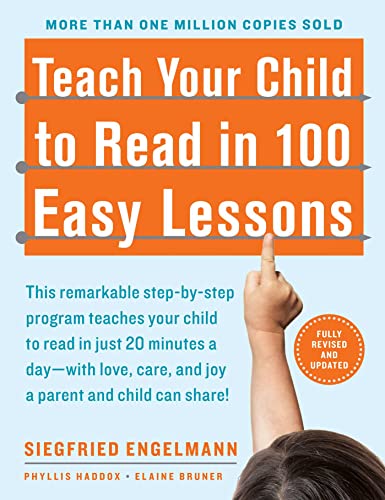
Best for a structured, teacher-led approach to foundational reading. The revised edition presents a step-by-step method that introduces letters, sounds, and blending gradually, often used as a home program alongside classroom instruction. This format emphasizes consistency and practice to develop decoding skills.
Who it’s best for: Parents seeking a clear, day-by-day plan to guide a new reader through early literacy. Choose this if you want a print-based method with explicit daily goals.
Caution: The pacing is deliberate and requires regular daily effort; it may feel lengthy for very short attention spans.
School Zone Start to Read! Book Level 1

Best for early readers who benefit from rhymes and picture clues. This Level 1 book emphasizes phonics-based decoding, simple sentence structure, and easily interpretable illustrations. It supports vocabulary growth through repeated patterns and visual cues.
Who it’s best for: Kindergarteners who enjoy musical rhythm in text and need cueing from pictures to reinforce meaning. Choose this if you want a gentle, rhyming approach to early reading.
Caution: Some learners may require more varied sentence complexity later as reading confidence grows.
Buying Guide: How To Choose The Right Easy Read For Kindergarten
- Phonics vs. Sight Words: Decide whether the child benefits more from explicit phonics instruction (sound-by-sound decoding) or from repeated sight-word exposure with simple sentences.
- Reading Pace: Consider how quickly a child can blend sounds and remember sight words. Box sets with progressions support steady growth, while single-volume guides may move faster.
- Character Preference: Some children respond well to familiar characters (like Pete the Cat), which can boost engagement and recall.
- Print vs. Illustration Balance: Look for books with clear print and supportive images. Excessive text on a page may overwhelm new readers.
- Format and Durability: For classroom use or travel, choose durable bindings and portable formats that withstand frequent handling.
- Support Materials: Check if a program includes teacher or parent-friendly guidance, progress tracking, or accompanying activities to reinforce learning.
- Maintenance of Interest: A mix of short stories and longer, simple narratives helps sustain attention and motivation over weeks of practice.
FAQ
- What is the best beginner book for teaching phonics?
– Books like Bob Books Set 1 are designed to introduce phonics in a structured, progressive way, making them a strong starter option. - Are box sets better than single books for kindergarten reading?
– Box sets offer a programmed progression and more practice, which can accelerate early decoding skills compared to a single title. - Should I mix phonics-focused and rhyming books?
– Yes. A blend helps balance decoding practice with vocabulary development and reading fluency through rhythm and repetition. - How long should daily reading practice last for a kindergartner?
– Short, consistent sessions (10–20 minutes) are usually effective, with breaks as needed to maintain engagement. - What age range are these books suitable for?
– Most options target ages 3–6, with emphasis on early kindergarten readers and those beginning to read independently. - Can these books be used by both parents and teachers?
– Yes. They are suitable for home practice, classroom instruction, or tutoring settings, depending on the child’s needs.