Looking for beginner to intermediate piano arrangements and popular song collections linked to David Friedman’s style or era? This guide highlights five accessible sheet music collections that suit piano players and singers alike. Best for: beginners seeking approachable pieces, intermediate players aiming to expand repertoire, and performers preparing solo or small-group sets. The following selections emphasize clear notation, solo piano adaptability, and user-friendly transcriptions for metal-partists of modern pop, classic songs, and inspirational pieces.
Product Comparison Table
| Product | Format | Pages / Instrumentation | Why It Stands Out | Best For |
|---|---|---|---|---|
| David Lanz – Solos for New Age Piano | Songbook for piano solo | Pages not specified; Piano/Keyboard | Intermediate players seeking relaxing, melodic pieces | |
| David Lanz: Piano Sheet Music Collection 2000-2022 | Piano Solo collection | Pages: 144; Instrumentation: Piano/Keyboard | Players building a varied repertoire of modern piano solos | |
| Billy Joel – Greatest Hits Volume I and II | Piano/Vocal/Guitar songbook | Instrumentation: P/V/G | Singers and pianists performing broad catalogues | |
| David Bowie Anthology | Rock/Britpop piano, vocal, guitar | Pages: 216; Instrumentation: Guitar (P/V/G) | Musicians seeking a broad artist overview | |
| Michael McDonald – The Ultimate Collection | Piano/Vocal/Guitar songbook | Pages: 128; Instrumentation: P/V/G | Vocalists and pianists performing classic soft rock |
David Lanz – Solos for New Age Piano
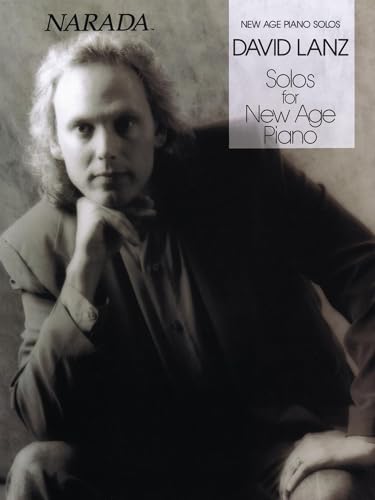
Best for: pianists who want calm, contemplative pieces that fit meditation or background music settings. This Hal Leonard collection compiles solo piano pieces designed for intermediate to advanced players seeking serene melodies and reflective performance opportunities. The material favors lyric lines and gradual textures that suit quiet performance spaces. A potential limitation is the level of difficulty; players newer to reading nuanced phrasing may find certain passages challenging.
David Lanz: Piano Sheet Music Collection 2000-2022
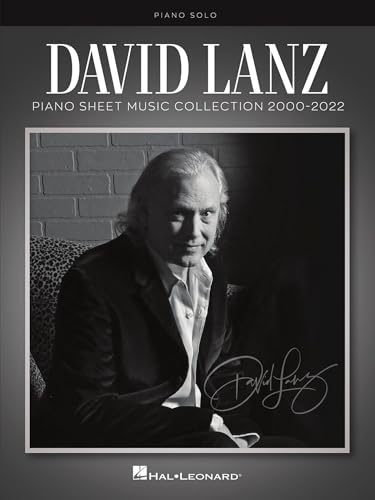
Best for: players who want a cohesive set of newer David Lanz compositions spanning two decades. This Hal Leonard collection presents 144 pages of piano/keyboard arrangements suitable for dedicated practice and recital pieces. It’s well-suited for developing musicians who appreciate contemporary melodic lines with accessible technical demands. A limitation to note is that the collection is a single-composer anthology—less variety in style beyond Lanz’s signature sound.
Billy Joel – Greatest Hits Volume I and II

Best for: performers who want well-known pop-rock staples transcribed for piano, voice, and guitar. This collection aggregates a broad catalog of Billy Joel’s hits, making it ideal for studio players preparing sing-alongs or solo performances. A caution is that some pieces may require coordination across vocal lines and guitar parts beyond a strict piano focus, so adapt as needed for piano-centric performances.
David Bowie Anthology

Best for: players seeking a broad rock and Britpop catalog with piano-friendly arrangements. The anthology covers a wide range of Bowie’s repertoire, suitable for intermediate players looking to diversify styles. A limitation is that the instrumentation leans toward guitar-oriented arrangements; piano parts may require adaptation for full solo performance.
Michael McDonald – The Ultimate Collection

Best for: singers and pianists who want a curated set of soft-rock staples from The Doobie Brothers era and solo work. The Piano/Vocal/Guitar arrangement supports collaborative performances and rehearsal with other musicians. A caveat is that some arrangements emphasize vocal lines; pianists should focus on chordal accompaniment when performing solo.
Buying Guide
- Instrumentation needs: If you plan to perform solo on piano, look for piano/keyboard arrangements or solo piano editions. For ensemble or vocal performances, P/V/G editions can be ideal.
- Skill level and progression: Start with collections labeled for intermediate players if you’re growing; avoid editions with advanced notation if you’re a beginner.
- Repertoire goals: Choose books that include songs you enjoy and that fit your intended performance context—studio sessions, recitals, or casual gigs.
- Arrangement style: Consider whether you prefer lyric-driven melodies, rich harmonic textures, or upbeat pop-rock arrangements. Some collections balance variety with cohesive artist voice.
- Adaptability: Some books may require adapting guitar or vocal lines for solo piano. Look for titles that explicitly provide piano-focused versions or easy-to-adapt scores.
FAQ
- What is the main difference between a piano solo collection and a piano/vocal/guitar songbook? The piano solo collection includes arrangements focused on piano performance alone, while piano/vocal/guitar editions provide parts for voice and guitar in addition to piano, useful for ensemble or performance with singers and guitarists.
- Are these books suitable for beginners? Some are labeled for intermediate players; beginners may need simpler arrangements or once-per-part versions. Check page counts and instrumentation notes before purchasing.
- Can I use these collections for performances or recitals? Yes, many are designed for recital and performance settings, but confirm licensing requirements for public performances when applicable.
- Do these books include chord symbols or only note-for-note melodies? Most P/V/G editions include chords or chord symbols to assist accompaniment; solo piano books focus on melodic and harmonic lines suitable for piano.
- Should I buy multiple editions by the same artist? If you enjoy a specific artist, a multi-edition approach offers a broader range of styles and catalog consistency, but ensure your preferred difficulty level across volumes.
- Are these books worth the cost for long-term practice? If you are building a repertoire of familiar songs or instrumental pieces, these collections provide ongoing material for practice and performance improvement.