The best children’s books about confidence help kids explore self-belief, mistakes, emotions, or healthy friendships through an accessible story. Confidence Is My Superpower directly focuses on believing in yourself, while The Girl Who Makes a Million Mistakes connects confidence with a growth mindset. The Smart Cookie addresses self-esteem and feeling smart; The Not-So-Friendly Friend focuses on friendship boundaries; and the A Little SPOT of Emotion set offers several emotion-themed books, including one about confidence.
| Book | Best suited for |
|---|---|
| Confidence Is My Superpower | A direct self-belief theme |
| The Girl Who Makes a Million Mistakes | Confidence and learning from mistakes |
| The Smart Cookie | Self-esteem and feeling capable |
| The Not-So-Friendly Friend | Confidence in setting friendship boundaries |
| A Little SPOT of Emotion Set | Exploring confidence alongside other emotions |
Confidence Is My Superpower

Alicia Ortego’s paperback is the most direct match for readers searching for a children’s book about confidence. Its subtitle describes a book about believing in yourself and developing self-esteem, making its central subject clear to parents, caregivers, and educators.
Best for: Children who would benefit from a story centered specifically on self-belief and self-esteem. Choose this if you want confidence to be the main topic rather than one part of a broader collection.
Consider: The listed description focuses on confidence and self-esteem, so readers looking primarily for guidance about friendships or handling a range of emotions may prefer a more targeted alternative.
The Girl Who Makes a Million Mistakes

Brenda Li’s paperback pairs confidence and self-esteem with resilience and a growth mindset. Its title signals a focus on mistakes, making it a relevant choice for families who want to discuss how children respond when something does not go as planned.
Best for: Kids who need a confidence-building story that also addresses mistakes and persistence. It is a better fit than a general self-esteem book when the conversation is about learning through setbacks.
Consider: The listed theme centers on mistakes and growth mindset. Choose another title if the immediate goal is to discuss friendship boundaries or name and explore different emotions.
The Smart Cookie

Written by Jory John and illustrated by Pete Oswald, this hardcover is described as a story about self-esteem and feeling smart. That makes it a useful option for a child who may need encouragement around feeling capable or recognizing personal strengths.
Best for: Readers whose confidence concerns relate to self-esteem or feeling smart. Select it when those themes are more relevant than a broad overview of emotions.
Consider: Its stated focus is self-esteem and feeling smart, not confidence in every setting. It may be less targeted for a child whose main concern is managing a difficult friendship.
The Not-So-Friendly Friend
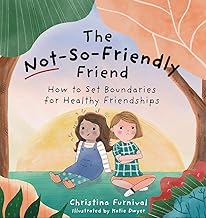
Christina Furnival’s hardcover, illustrated by Katie Dwyer, focuses on setting boundaries for healthy friendships. It approaches confidence through a specific social skill: recognizing that children can have boundaries in their relationships.
Best for: Families looking for a book to support conversations about friendship boundaries and healthy relationships. Choose this over a general confidence story when peer interactions are the main concern.
Consider: The listed focus is friendship boundaries, rather than confidence as a broad or standalone subject. It may not be the closest match if the child’s concern is feeling smart or coping with mistakes.
A Little SPOT of Emotion 8-Book Set

Diane Alber’s paperback box set includes books about anger, anxiety, peace, happiness, sadness, confidence, love, and scribble emotion. Because confidence is one part of a wider selection, the set can support conversations about different feelings rather than concentrating on self-esteem alone.
Best for: Families or educators seeking several emotion-themed books, including a confidence title. Choose the set if you want a broader collection for discussing feelings.
Consider: Confidence is one of eight listed topics, so this set is less focused than a single book devoted to self-belief. Check that a multi-topic collection fits your reading needs.
How to Choose a Confidence Book for a Child
Which confidence topic should you look for?
Start with the situation you want the book to address. For direct self-belief and self-esteem, consider Confidence Is My Superpower. For mistakes and resilience, The Girl Who Makes a Million Mistakes has the clearest stated connection. For feeling smart and self-esteem, consider The Smart Cookie. For friendship concerns, choose a book focused on boundaries.
Should you choose one book or a collection?
A single-topic book can make it easier to focus a read-aloud or conversation on one concern. A collection such as A Little SPOT of Emotion covers multiple listed emotions, including confidence, and may suit readers who want a broader set. Compare the stated themes with the child’s current interests instead of assuming every confidence book addresses the same needs.
What format should you consider?
The listed formats include hardcover and paperback. Use the format information to decide what suits your household, classroom, or reading routine. The provided product details do not specify recommended ages, so check the book’s listing or publisher information if age guidance is important.
Frequently Asked Questions
What is a good children’s book for building confidence?
Confidence Is My Superpower is a direct option because its listed subtitle focuses on believing in yourself and developing self-esteem.
Which book connects confidence with making mistakes?
The Girl Who Makes a Million Mistakes is described as a growth mindset book about confidence, self-esteem, and resilience.
Which choice focuses on friendship boundaries?
The Not-So-Friendly Friend focuses on setting boundaries for healthy friendships.
Is there a collection that includes a confidence book?
Yes. The A Little SPOT of Emotion eight-book set includes a confidence title along with books about other emotions.
Do these listings provide recommended age ranges?
The product details provided here do not include recommended age ranges. Check the listing or publisher information for age guidance before choosing.