Trying to pick the right reading tools for a child just starting to read can feel overwhelming. This guide highlights five carefully chosen books and kits that support early reading skills, from phonics and sight words to guided reading strategies. Each pick targets different learning styles, so you can choose the best fit for your child’s pace and interests. Ideal for parents seeking structured practice, classroom teachers looking for at-home resources, and guardians wanting engaging activities that reinforce literacy fundamentals.
Summary of chosen products:
- Childrens Learn to Read Books Lot 60 – First Grade Set + Reading Strategies NEW by Scholastic
- Teach Your Child to Read in 100 Easy Lessons: Revised and Updated Second Edition by Touchstone
- LeapFrog LeapReader System Learn-to-Read 10 Book Mega Pack, Pink by LeapFrog
- 100 Words Kids Need to Read by 1st Grade: Sight Word Practice to Build Strong Readers by Scholastic
- Sinoome Phonics Flash Cards & Word Family Build Book Fun Kids Flip Books by Sinoome
Scholastic Learn to Read Lot: 60 First-Grade Booklets
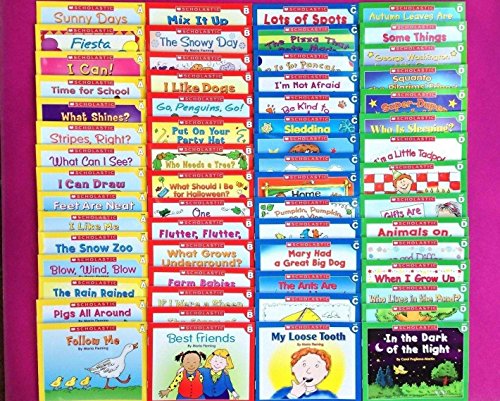
This collection is best for parents seeking a large, varied set of early readers. It includes 60 stapled booklets across levels A–D, designed by a reading specialist to emphasize print. The format favors classroom-like practice with short, eight-page readers.
Best for: families wanting broad exposure to decodable texts and independent practice, as well as teachers preparing a home-lundle of foundational reading drills. The multiple levels help track progression and maintain steady challenge.
Why chosen: The breadth of titles and the level distribution provide a scaffolded path from emergent to more confident reading. The black-and-white design can reduce overwhelm and focus attention on print and decoding.
Caution: Some users may prefer color illustrations for engagement, as the readers are primarily black and white. The sheer quantity may be more than needed for a single child at any one time.
Teach Your Child to Read in 100 Easy Lessons (Second Edition)
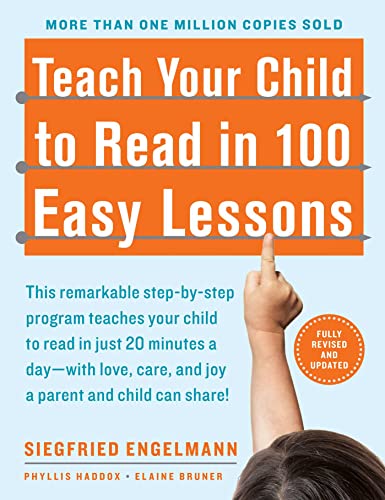
This classic program is best for parents seeking a straightforward, step-by-step approach to phonics and blending. It provides a structured sequence of short lessons designed to build confidence and foundational decoding skills over time.
Best for: caregivers who want a clear daily practice routine and a proven framework to guide a child from first sounds to simple words. It works well when used consistently alongside reading aloud.
Why chosen: The method emphasizes systematic phonics and gradual progression, which helps reduce guesswork for beginning readers. It supports steady progress with predictable routines.
Caution: The book is text-forward and may benefit from additional visuals or interactive activities to sustain engagement for some learners.
LeapFrog LeapReader System Learn-to-Read 10 Book Mega Pack

This bundle is best for tech-conscious learners who benefit from multisensory reading experiences. The LeapReader pen interacts with stories to sound out letters and words, offering three modes per page to support independent practice with short vowels and simple words.
Best for: children who respond well to interactive reading, and families seeking a mix of physical books and digital engagement. It helps with letter-sound correspondence and word decoding through repetition and guided feedback.
Why chosen: The combination of physical books and interactive reinforcement can accelerate early decoding skills and maintain interest through varied activities.
Caution: The system relies on a compatible pen for audio features, so ensure the kit is complete if you choose this option.
100 Words Kids Need to Read by 1st Grade

This workbook targets sight word mastery, a foundational element for fluent reading. It reinforces the essential 100 words first graders commonly encounter, using fill-in-the-blank activities, stories, riddles, games, and puzzles.
Best for: families focusing on building automatic recognition of high-frequency words to speed reading fluency and comprehension in early grades.
Why chosen: Repetition and varied activities help reinforce memory and retrieval of common sight words, supporting smoother reading flows.
Caution: While strong for word recognition, it should be paired with decoding practice to support comprehensive literacy development.
Sinoome Phonics Flash Cards & Word Family Build Book

This kit is best for hands-on phonics practice and word-family mastery. It features 40 flip-style phonics books across 11 progressive levels, focusing on CVC patterns and common word families to strengthen decoding and spelling skills.
Best for: learners who benefit from a structured, multilevel phonics curriculum with tactile activities and word-family patterns, bridging emergent reading to independent decoding.
Why chosen: A systematic approach to phonemic awareness, with practical word-family applications, supports long-term reading fluency and spelling development.
Caution: The flip-book format may require parental supervision for smoother page flipping and consistent lesson pacing.
Learning Dynamics 4 Weeks to Read – Phonics Program

This program is best for structured, short-term intervention guiding 15-minute daily lessons. It covers phonics, blending, and sight words, with a focus on measurable progress within a month.
Best for: parents seeking a concise, time-efficient plan to establish a reading routine or to supplement classroom instruction with quick wins in decoding and fluency.
Why chosen: The tight daily schedule supports consistent practice, which is crucial for early literacy gains, especially for learners who need steady routines.
Caution: Short daily sessions require commitment; irregular schedules may slow progress if practice gaps occur.
Buying Guide: How To Choose The Right Early Reading Resource
What should influence your choice?
- Learning style compatibility: Do you prefer interactive, tech-driven options or paper-based practice?
- Decoding vs. sight word focus: Is your child still decoding sounds or should you emphasize fast recognition of common words?
- Progress tracking: Do you need clear progression levels and measurable milestones?
- Engagement: Are illustrations, activities, and game-like formats important to maintain interest?
- Parental involvement: How much time can you dedicate to daily activities and guidance?
Quick comparison
- Best for broad exposure and varied titles: Scholastic Learn to Read Lot
- Best for a structured phonics path: Teach Your Child to Read in 100 Easy Lessons
- Best for multisensory, interactive learning: LeapFrog LeapReader Mega Pack
- Best for sight word mastery: 100 Words Kids Need to Read
- Best for systematic word-family phonics: Sinoome Phonics Flip Books
- Best for short, focused daily practice: Learning Dynamics 4 Weeks to Read
Practical tips for using these resources effectively
- Pair decodable readers with guided reading sessions to model strategies and monitor progress.
- Schedule consistent practice times and gradually increase challenge as fluency improves.
- Mix formats to maintain interest—combine print books with interactive or flash-card activities.
- Adjust pace based on the child’s comfort level; celebrate small milestones to sustain motivation.
- Supplement any kit with read-aloud routines to reinforce comprehension and vocabulary.
Frequently asked questions
- What is the most important skill for early readers? Phonemic awareness and decoding are foundational skills that enable fluent reading.
- Should I focus on phonics or sight words first? Start with phonics to decode new words, then build sight-word fluency for speed.
- Can these books help a child who is struggling to read? Yes, when used consistently with guided support and appropriate pacing.
- Is a large bundle better than a single book? A bundle offers variety and progression, but ensure it fits your child’s current level and time availability.
- How long should daily practice last? Short, focused sessions of 10–20 minutes are typically effective for beginners.
- Should I replace classroom instruction with these materials? These resources are best used as supplements to ongoing instruction and guided practice.