If you’re searching for interactive books that teach animal names and sounds, you’ve found a strong lineup. These five titles use buttons, sounds, and engaging visuals to help preschoolers connect words with creatures. Ideal for ages 3 and up, they suit parents seeking multisensory learning, teachers building phonics skill, and caregivers wanting durable, kid-friendly reading experiences. Below you’ll find concise comparisons, who each title is best for, and practical buying tips.
| Product | What It Helps With | Best For |
|---|---|---|
| World of Eric Carle, Around the Farm 30-Button Animal Sound Book | Animal name recognition, sound association | Early word learners who benefit from tactile, button-press interaction |
| World of Eric Carle, Hear Bear Roar 30-Button Animal Sound Book | Picture-to-word linking, multisensory reading | Young readers who enjoy bear-themed animals and interactive storytelling |
| LeapFrog 100 Animals Book | Bi-lingual vocabulary, animal categorization, songs | Bilingual households or kids learning basic animals and sounds |
| iGRATENS Farm Animal Figures Toys with Sound Books | Hands-on play, combined book-and-toy learning | Preschoolers who benefit from pretend play and tactile figures |
Around the Farm 30-Button Animal Sound Book
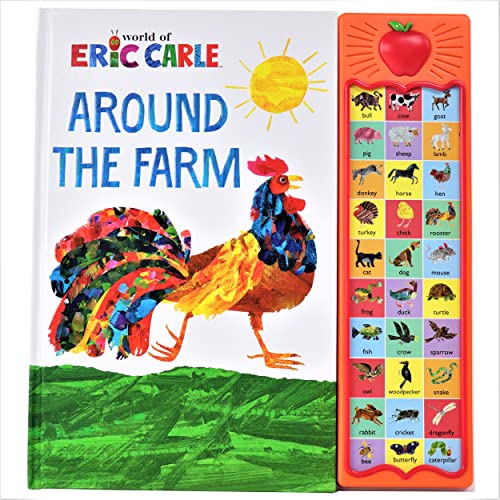
The Around the Farm title features 30 sound buttons, each representing a different animal. Children press a button to hear the animal’s name and the corresponding sound. This format reinforces word-sound connections while supporting short, repetitive practice. Best for early readers who respond well to touch-and-listen activities.
Who it’s best for: toddlers and preschoolers who enjoy busy, interactive pages and want a straightforward way to learn animal vocabulary. Why selected: the large number of sounds offers varied practice and keeps attention focused on each animal. Caution: buttons can wear with heavy use, and small parts should be kept away from very young children who still habitually put objects in mouths.
Hear Bear Roar 30-Button Animal Sound Book

Hear Bear Roar emphasizes multisensory reading, with hands-on interaction that links words to pictures. It strengthens vocabulary by directly pairing image cues with spoken sounds. Best for young readers who learn well through repetition and visual prompts.
Who it’s best for: children who enjoy animal stories and need extra engagement to boost recall. Why selected: the format supports early literacy through consistent pairing of pictures, words, and sounds. Caution: bear-themed content may exceed the interest of children who prefer non-bear animals, making some pages less engaging for those readers.
LeapFrog 100 Animals Book

LeapFrog 100 Animals Book offers six double-sided pages with animals from forest, ocean, and shore categories. It features three play modes that teach about animal names, sounds, and fun facts. The fully bilingual design supports English and Spanish language exposure through songs and narration.
Who it’s best for: families seeking bilingual exposure or a broader range of animal categories. Why selected: its structured modes help kids progress from naming to understanding sounds and basic facts. Caution: electronic components require careful handling to ensure longevity in rough handling or travel cases.
iGRATENS Farm Animal Figures With Sound Books
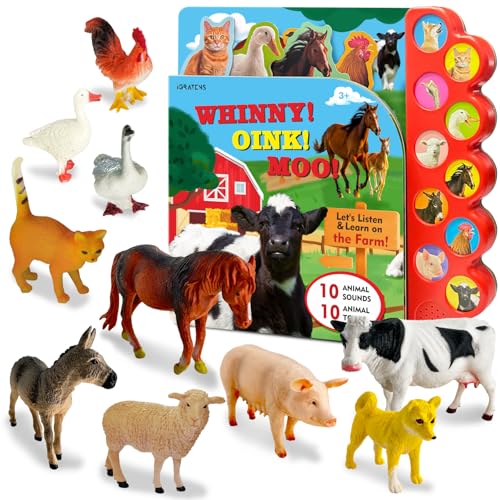
This set combines high-quality farm animal figurines with a sound book featuring ten buttons and a die-cut page design that creates a tactile, multi-sensory experience. Best for preschoolers who benefit from hands-on play paired with reading, and for parents seeking a durable, travel-friendly option.
Who it’s best for: kids who learn by manipulating objects and exploring realistic animal shapes. Why selected: the interlaced book design and durable materials support long-term use. Caution: small figure pieces may pose choking hazards for children under three; supervision is recommended for younger toddlers.
Buying Guide
What kind of animal sounds matter most? Look for clear, distinct sounds that match common animal names. If you want bilingual exposure, choose books with built-in language options. Consider durability: vinyl pages or thick board pages handle rough use by toddlers better than thin cardboard.
How does the interactive format help learning? Button-activated or page-based sounds reinforce memory through auditory and tactile cues, improving word retention and phonemic awareness.
Which features boost engagement? Variety in animal types (farm, forest, ocean), the number of sounds, and the presence of on/off switches or volume controls can extend playtime and reduce overstimulation.
Is a combined book-and-toy option worth it? For some children, pairing a figurine with a book increases pretend-play opportunities, which can deepen comprehension and recall. Ensure pieces are appropriately sized for your child’s age.
Key Purchase Considerations
- Age range and safety: age-appropriate content and choking-hazard awareness.
- Language support: bilingual features for language development.
- Durability: material quality and construction for long-term use.
- Interactivity level: number of sounds, ease of use, and accessibility of buttons.
- Content variety: range of animals and themes (farm, wild, ocean).
Frequently Asked Questions
- What age is best for animal sound books? Typically ages 3 and up, though some early readers may engage at age 2 with supervision.
- Do these books require batteries? Most animal sound books use battery-powered buttons; check the on/off switch and battery life considerations.
- Are bilingual options important for early learning? Yes, bilingual formats support vocabulary growth and pronunciation in more than one language.
- Can these books support classroom use? Yes, they’re suitable for early elementary libraries or classroom centers focusing on literacy and vocabulary.
- Should I choose a farm theme or a general animal theme? Farm-themed sets offer familiar animals and settings, while general animal sets provide broader exposure; choose based on your child’s interest.
- What safety concerns should I consider for younger children? Look for large, non-detachable parts and durable construction; supervise use with very young children to avoid small-part hazards.