If you’re helping a preschooler take first steps toward reading, these five titles are well-suited to early decoding, phonics, and simple story comprehension. The top picks blend interactive features, rhymes, and engaging visuals to support beginner readers. This guide highlights who each book is best for and why they stand out, plus practical buying tips to choose the right fit for your child’s pace.
| Product | Brand | Best For |
|---|---|---|
| Childrens Learn to Read Books Lot 60 – First Grade Set + Reading Strategies NEW Buyer’s Choice | Scholastic | Kids who benefit from structured phonics and multiple short readers |
| School Zone Jog Frog Jog, Start to Read! Book Level 1 | School Zone | Beginning readers who enjoy rhymes and picture clues |
| LeapFrog LeapReader System Learn-to-Read 10 Book Mega Pack | LeapFrog | Interactive learning with a reading pen and guided activities |
| LEARNING BUGS My Big Phonics Sound Book | LEARNING BUGS | Hands-on phonics practice and letter-sound reinforcement |
Best For Structured Phonics Progress: Scholastic Learn to Read 60-Book Bundle
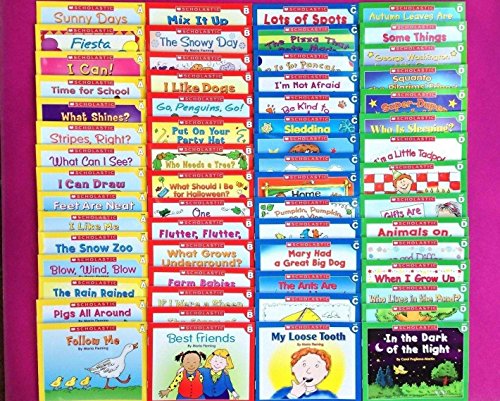
The Scholastic bundle offers 60 compact, 8-page readers designed by a reading specialist to reinforce print awareness and basic phonics in levels A through D. Each bite-sized booklet features black-and-white text to attract attention to the print, supporting early decoding for new readers. Best for families seeking a broad, progression-based program that can be used across several months and by multiple children. A potential limitation is the absence of full-color pages, which some learners prefer for engagement.
Best For Rhythmic Beginners: School Zone Start to Read Level 1

This Level 1 title emphasizes early reading skills through rhymes, simple sentences, and picture clues. It’s ideal for children who learn well from musical phrasing and visual supports. Best for preschoolers who respond to rhythm and repetition, helping build confidence with decodable words. A consideration is that the scope is limited to one level, so progress tracking may require additional titles to extend learning.
Best For At-Home Interactive Reading: LeapReader Mega Pack

The LeapReader system uses a dedicated pen to sound out letters and words as children touch pages, turning reading into an interactive learning experience. The 10-book set includes stories with short vowels, sight words, and simple words that scaffold reading practice. This option is best for kids who benefit from multisensory learning and guided pronunciation. Limitation to watch for: ongoing use may require the LeapReader pen and booklet compatibility, which is built into the system.
Best For Tactile Phonics Practice: Learning Bugs Big Phonics Sound Book

This interactive book uses sound buttons to pronounce 10 essential vocabulary words per letter, pairing audio with printed text and pictures. It supports phonemic awareness, letter-sound fluency, and vocabulary expansion, making it a strong choice for toddlers and preschoolers who learn best through hands-on activity. A potential limitation is that some children may require adult guidance to maximize the sound-button features during early explorations.
Buying Guide
How to choose the right reading starter for a 3-year-old:
- Learning style: For multisensory learners, opt for interactive options like LeapReader and sound books. For independent readers, structured book sets with short, decodable texts work well.
- Progression: If you want a clear path from letter recognition to simple words, the Scholastic 60-book set provides levels A–D. For a single-level focus, School Zone Level 1 is a strong starter.
- Engagement: Visuals and rhythm support early motivation. Picture-heavy or black-and-white print can affect attention differently—balance is key.
- Durability and use: Consider how often the book will travel or be read aloud with a caregiver. Some titles are better as screen-free, hands-on activities, others integrate interactive devices.
- Maintenance: Look for books with simple pages and clear print. This helps young readers track words and reduces frustration during early decoding.
Frequently Asked Questions
- What is the best type of book for a 3-year-old learning to read? A mix of decodable early readers, rhyming picture books, and interactive learning tools suits most beginners, balancing practice with engagement.
- Should I choose color or black-and-white print? Color can attract attention; black-and-white text can emphasize print recognition. A blend works well depending on the child’s preference.
- Are interactive devices beneficial for early readers? Yes, especially for multisensory learners who benefit from hearing pronunciation and seeing word-picture connections.
- How many books should I start with? Start with a small set that covers foundational phonics and sight words, then add titles as the child progresses.
- What age range is appropriate for these titles? Most are designed for preschoolers around age 3 to 5, with some leveled sets extending into early elementary.
- Can these books replace teacher or caregiver guidance? They are best used with guidance to reinforce concepts and provide a supportive reading routine.