The best book on Tai Chi depends on your goals: choose a senior-focused chair guide for seated practice, a broad health-oriented guide for a structured introduction, or a pocket book for beginner-friendly steps. The five options below cover those needs, along with books focused on weight loss and toning. Compare each book’s stated audience and program before choosing.
| Book | Best For | Stated Focus |
|---|---|---|
| Chair Tai Chi Made Easy for Seniors Over 60 | Seniors seeking seated exercises | Large print and a 28-day program |
| The Harvard Medical School Guide to Tai Chi | Readers seeking a broad health guide | A 12-week program |
| Tai Chi for Seniors over 60 | Older adults looking for a short daily routine | Exercises and a 10-minute-a-day approach |
| Tai Chi for Weight Loss and Toning | Beginners interested in a themed program | A 28-day low-impact plan |
| Pocket Tai Chi for Beginners | New learners who want a compact guide | Simple steps for body and mind |
Chair Tai Chi Made Easy for Seniors Over 60

This paperback by Robert M. Lin is aimed at readers over 60 who want Tai Chi exercises that can be practiced with a chair. Its title describes large-print, step-by-step instruction and a 28-day program focused on balance, mobility, and confidence.
Best for: Older adults who prefer seated or chair-supported movement and want a defined daily plan. It was selected because its audience, format, and program are clearly stated.
Consider: The chair-based focus may not suit readers looking specifically for a standing-form guide. The listing does not provide details about individual exercises, so check the book’s contents before buying if you need a particular movement style.
The Harvard Medical School Guide to Tai Chi
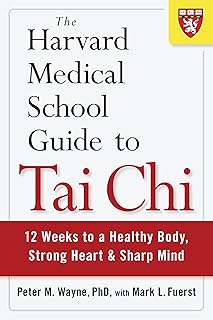
Written by Peter Wayne and Mark L. Fuerst, this paperback presents Tai Chi through a health-oriented guide and a 12-week program. Its title highlights the body, heart, and mind, making it a fit for readers who want an organized introduction rather than a book framed only around senior or weight-loss exercise.
Best for: Readers seeking a broader guide with a multiweek structure. It stands out among these choices because its stated program lasts 12 weeks, longer than the 28-day plans in two other titles.
Consider: The product title does not specify that the exercises are chair-based or exclusively for beginners. If you need a seated routine or large print, compare its contents with a book that names those features explicitly.
Tai Chi for Seniors over 60

Alex Harper’s paperback is presented as an exercise book for seniors and older adults. Its title promotes a 10-minute-a-day approach and names Tai Chi exercises for elderly readers, with weight loss also included in the subtitle.
Best for: Seniors who want a book specifically aimed at their age group and are drawn to short daily practice. It was selected for its direct audience focus and time-based routine.
Consider: The title’s “feel and look 10 years younger” wording is promotional, not a guaranteed result. The listing does not state that the exercises are chair-based, so readers needing seated movements should verify the contents first.
Tai Chi for Weight Loss and Toning

Liang Zhenhua Wei’s paperback describes a 28-day, low-impact full-body program for beginners. The title also mentions toning, confidence, and an included tracker, so the book is aimed at readers who want Tai Chi presented as a structured fitness plan.
Best for: Beginners whose primary interest is a low-impact program with a weight-loss and toning theme. The named 28-day duration and tracker make its stated format easy to compare with general Tai Chi guides.
Consider: The weight-loss framing may not match readers who mainly want instruction in Tai Chi forms, history, or meditation. The product information provided does not specify the movements or how the tracker is used.
Pocket Tai Chi for Beginners
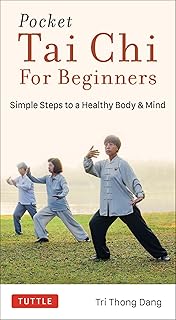
Tri Thong Dang’s paperback is titled for beginners and describes its approach as simple steps toward a healthy body and mind. Its pocket format positioning makes it a straightforward option for readers who want a beginner-focused book rather than a program centered on a specific age group or fitness outcome.
Best for: New learners seeking a concise starting point. It was chosen because the title directly identifies beginners as its audience and emphasizes simple instruction.
Consider: The product details provided do not state a program length, large-print layout, or chair-based exercises. Choose another option if one of those features is essential to your practice.
Buying Guide: How to Choose a Tai Chi Book
Do you need seated exercises or standing practice?
Start with the movement format that fits your needs. Chair Tai Chi Made Easy for Seniors Over 60 explicitly names chair exercises. The other listings do not specify a seated format, so review their contents if you need chair-supported instruction. Do not assume that a general beginner book includes seated adaptations.
Would you prefer a short plan or a longer program?
Compare the schedules stated in the titles: two books offer 28-day plans, one offers a 12-week program, and another promotes a 10-minute-a-day approach. A defined schedule can help readers who like structured practice. If you prefer to learn at your own pace, check whether the book’s contents support that approach.
Is the book focused on health, fitness, or learning basics?
Choose based on the outcome you want the book to address. The Harvard guide has a broad health focus; the weight-loss title centers on fitness goals; and Pocket Tai Chi for Beginners emphasizes simple introductory steps. These descriptions indicate each book’s framing, not guaranteed health or weight-loss results.
What accessibility details should you check?
Look for specific information about print size, illustrations, exercise modifications, and whether instructions are step-by-step. Among these listings, only Chair Tai Chi Made Easy for Seniors Over 60 explicitly states that it uses large print. Contact the seller or consult the book preview when a particular accessibility feature matters.
Frequently Asked Questions
Which Tai Chi book is specifically for seniors?
Chair Tai Chi Made Easy for Seniors Over 60 and Tai Chi for Seniors over 60 both name older adults as their intended audience. The chair-focused title also states that it includes large print and a 28-day program.
Which book has a 12-week Tai Chi program?
The Harvard Medical School Guide to Tai Chi is the listed book that names a 12-week program.
Which option is described as suitable for beginners?
Pocket Tai Chi for Beginners is explicitly titled for beginners. Tai Chi for Weight Loss and Toning also describes its 28-day program as being for beginners.
Are these books a substitute for medical advice?
No. A Tai Chi book provides instruction, but it does not replace advice from a qualified healthcare professional. Readers with health concerns or movement restrictions should seek professional guidance before starting a new exercise routine.
Which book is best for chair-based Tai Chi?
Chair Tai Chi Made Easy for Seniors Over 60 is the clearest match because its title specifically identifies chair Tai Chi and seated exercises.