Answering the common question of how to launch a small business, this article highlights five practical books designed for first-time founders. Each pick targets a distinct buyer profile—from absolute beginners to aspiring startups looking to scale. The goal is clear: provide concise, actionable insights you can apply right away. The following section compares each title’s focus, audience, and limitations to help you choose the best fit for your situation.
| Book | Author/Brand | Format | Best For |
|---|---|---|---|
| LLC Beginner’s Guide [All-in-1] | Carolyn Ava Martin (Author) | Paperback | First-time LLC owners needing tax and legal basics |
| Starting a Business QuickStart Guide | Ken Colwell PhD MBA (Author) | Paperback | Broad, quick-start overview for new entrepreneurs |
| The All In One Beginner’s Guide to Starting a Business | Evan Carlisle (Author) | Paperback | Step-by-step starter with case studies |
| Starting a StartUp: Build Something People Want | James Sinclair (Author) | Paperback | Product-market fit and startup-focused guidance |
| Dummies Guide to Starting Your Own Business | EssyWrites Press (Author) | Paperback | Essential steps for launching and scaling |
LLC Beginner’s Guide: Essential Tax and Legal Tools

This title focuses on forming an LLC and managing taxes and legal basics for new ventures. It is best for readers who want concrete legal frameworks and tax tips without prior experience. The guide synthesizes essential steps to establish a compliant business structure and manage compliance tasks. It is a solid, all-in-one resource for beginners who prioritize legality and taxation as foundations of their startup plan.
Best for: Absolute beginners who need clear, practical legal and tax guidance. Choose this if you want a focused starting point on forming an LLC and understanding basic compliance.
Caution: The legal landscape changes; verify latest regulations with a current resource in parallel.
Starting a Business QuickStart Guide

This guide offers a simplified, fast-start approach for launching a small business. It’s ideal for readers who want a broad overview and a practical path from idea to action. The content emphasizes execution steps, minimal jargon, and a realistic roadmap for turning a concept into a working venture.
Best for: Beginners seeking a quick entry into entrepreneurship with actionable milestones. Consider this if you need a concise, structured plan to move from concept to launch.
Caution: It may skim some advanced topics; pair with deeper resources for legal, financial, or tax specifics.
The All In One Beginner’s Guide to Starting a Business

marketed as an all-in-one starter, this book blends practical tips with case studies and insights tailored for new entrepreneurs. It’s well-suited for readers who want relatable scenarios and a broader, emphasis on learning from real-world examples. The structure supports stepwise progression from idea validation to execution and growth.
Best for: Readers who want a comprehensive starter with practical examples. Choose this if you value case studies alongside how-to steps.
Caution: The breadth may come at the expense of depth in niche topics; supplement with targeted resources for taxes or legal specifics.
Starting a StartUp: Build Something People Want
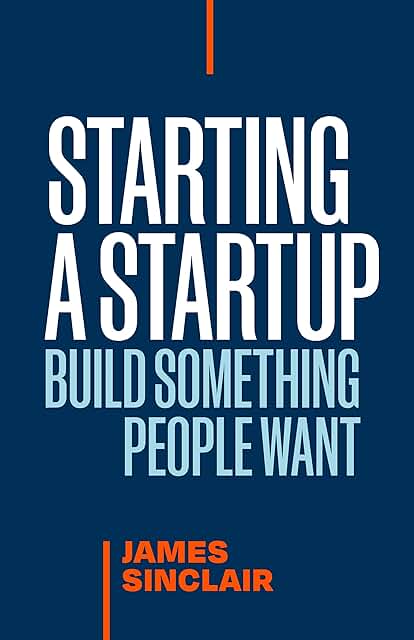
This book centers on creating offers that customers truly want, emphasizing product-market fit and iterative development. It’s best for readers who aim to validate demand early and iteratively refine their business model. It provides a startup mindset that helps reduce wasted effort on unwanted products or services.
Best for: Those focused on market validation and lean startup principles. Choose this if your main uncertainty is product-market fit.
Caution: May underemphasize long-term operations or scale planning; use alongside a more operations-focused title if growth is a goal.
Dummies Guide to Starting Your Own Business

Designed to be approachable, this guide offers essential steps for launching and scaling a small business. It’s suitable for readers who want a clear, user-friendly sequence—from ideation through growth. The format is accessible for readers who prefer a straightforward, no-nonsense approach.
Best for: Beginners seeking a friendly, structured outline with practical steps. Avoid this if you need deeply technical or specialized legal guidance.
Buying Guide: Key Considerations for Your First Small-Business Book
- Scope vs. depth: Decide whether you need a broad overview or in-depth treatment of specific topics like taxes, legal structure, or product validation.
- Audience alignment: Match the book’s level with your current knowledge. Start with beginner-friendly guides before moving to niche topics.
- Practicality: Look for books that offer templates, checklists, or case studies you can apply immediately.
- Longevity: Consider how often topics like law and taxes change. Favor resources that supplement with up-to-date online references or editions.
- Format and pacing: Paperback formats are often easier to skim; ensure the book’s structure supports quick reference during planning sessions.
Frequently Asked Questions
- Which book is best for a complete beginner? The LLC-focused guide and the general beginner’s guides are both strong starting points, depending on whether you want legal/tax basics or broad business startup guidance.
- Should I read multiple books at once? Yes, pairing a broad overview with a focused guide on a specific topic (like product validation or legal structure) can be effective.
- Is a hardcover or paperback better for learning? Paperbacks are typically easier to handle during planning sessions, though content quality matters more than format.
- Do these books cover business planning and execution equally? Some lean toward planning (ideas, validation), while others emphasize execution (launch, growth). Pick according to your immediate needs.
- Are these books suitable for solo entrepreneurs? Yes, they target individuals starting alone or with small teams, offering practical steps applicable to solo ventures.
- Will these replace formal advice? No. Use them as foundational resources and consult a professional for legal, tax, or compliance specifics as your business grows.